
Updated October 25, 2026.
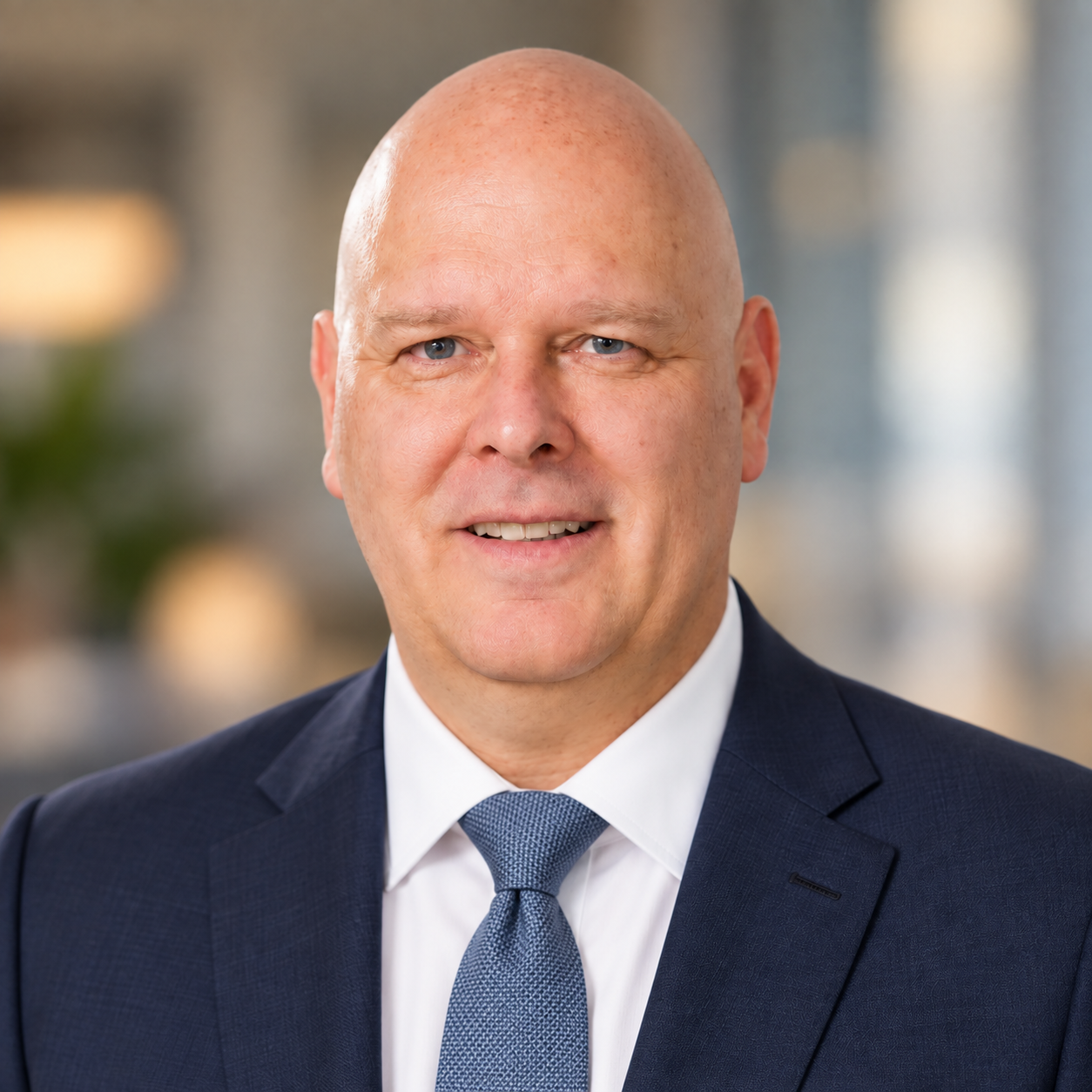
Whitestone Capital’s story begins in Berlin. I began my career there in 1997, appraised thousands of properties as a sworn property valuer and began developing my own residential projects in Berlin and Halle in 2012. We know the German apartment investment business from our own experience. That is precisely why I now live and invest in Florida.
German owners know the pressure within their portfolios: asking rents are rising in the wider market, while local comparable rents, statutory caps and the rent brake leave limited room to increase income from existing tenancies. At the same time, high acquisition costs and growing renovation requirements meet low initial yields, putting significant pressure on the cash surplus.
We wanted to work in a market where active leasing and consistent property management can translate more directly into income.
1. What the U.S. cap rate already includes — and where acquisition costs save capital
A meaningful comparison between Germany and the United States starts by putting the metrics on the same basis. While a first look at a German property often focuses on gross initial yield or the purchase price as a multiple of annual rent, the cap rate is the starting point in the U.S. market.
The cap rate expresses annual net operating income (NOI) as a percentage of the purchase price. Unlike a German gross rental yield, it already allows for ongoing maintenance, management and vacancy, as well as property taxes and building insurance borne by the U.S. owner. It is essential to check whether an advertised cap rate is based on historical actual figures or forward assumptions.
A tangible liquidity advantage arises at acquisition. Buying an apartment building for €10 million incurs €600,000 in real estate transfer tax in Berlin or €350,000 in Bavaria. In Tampa, the corresponding tax on the deed — documentary stamp tax — is $70,000 on a $10 million purchase:
| Location | Tax on the property transfer | Tax on a 10 million purchase |
|---|---|---|
| Tampa / Florida (outside Miami-Dade) | generally 0.7% documentary stamp tax | USD 70,000 |
| Bavaria | 3.5% real estate transfer tax | EUR 350,000 |
| Berlin | 6.0% real estate transfer tax | EUR 600,000 |
Both countries have further acquisition costs, including legal advice, notarial services or title examination and insurance, and financing fees. But the transfer tax itself buys no additional apartment and improves no building. While a Berlin acquisition first has to earn back €600,000 in tax expense, the difference remains available within the Florida project for necessary work on roofs, air conditioning or apartments.

2. Twelve months rather than an indefinite term: The lease as a driver of value
The most important operating difference lies in the lease structure. German residential leases are generally open-ended, and older rents often sit well below current asking rents. Twelve-month leases are the norm in Florida. Cities and counties throughout the state are prohibited from introducing their own rent controls.
At renewal, we negotiate the rent with reference to current market levels, without having to wait for a change of tenant. For serious lease breaches or nonpayment, Florida law also provides a statutory expedited court process — summary procedure — to recover possession of the apartment.
We do not automatically use every renewal to seek the highest possible increase. A reliable tenant who stays is often worth more commercially than a higher rent demand followed by weeks of vacancy. In submarkets with substantial new supply, renewal may mean keeping rent unchanged or offering a free month. Annual negotiations allow a faster response to rising demand, but require equal commercial discipline when competition increases.
3. Demographics and higher-income renters: Where demand translates into income
Germany also attracts migrants: net immigration reached 235,000 people in 2025, while housing completions fell by 18% to 206,600. Under existing German residential leases, however, scarcity can be reflected in the next rent adjustment only to a limited extent.
In Florida, continued population growth — the state gained 196,680 residents between July 2024 and July 2025, reaching roughly 23.5 million — meets a lease model that can respond promptly to additional demand. A growing number of higher-income renter households also supports the U.S. rental market. High purchase prices and financing costs make homeownership harder for many Americans, while well-run apartment communities with a pool, services and professional on-site management offer an appealing, flexible way to live.
Within Florida, we examine where that demand is shifting. University of Florida research identifies Pasco and Polk counties, north and east of Tampa, among the areas attracting substantial inflows. Before an acquisition, we assess access to employment and visit competing communities in person. Where extensive construction has recently been completed, we underwrite rents actually paid after concessions, while also using pressure on existing owners to secure lower acquisition prices.
4. West River Flats in practice: A 73% increase in operating income
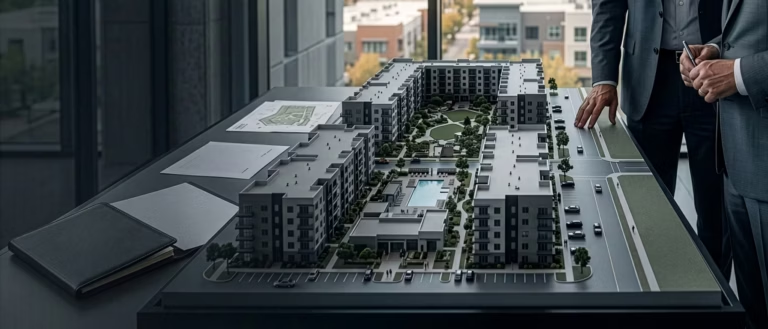
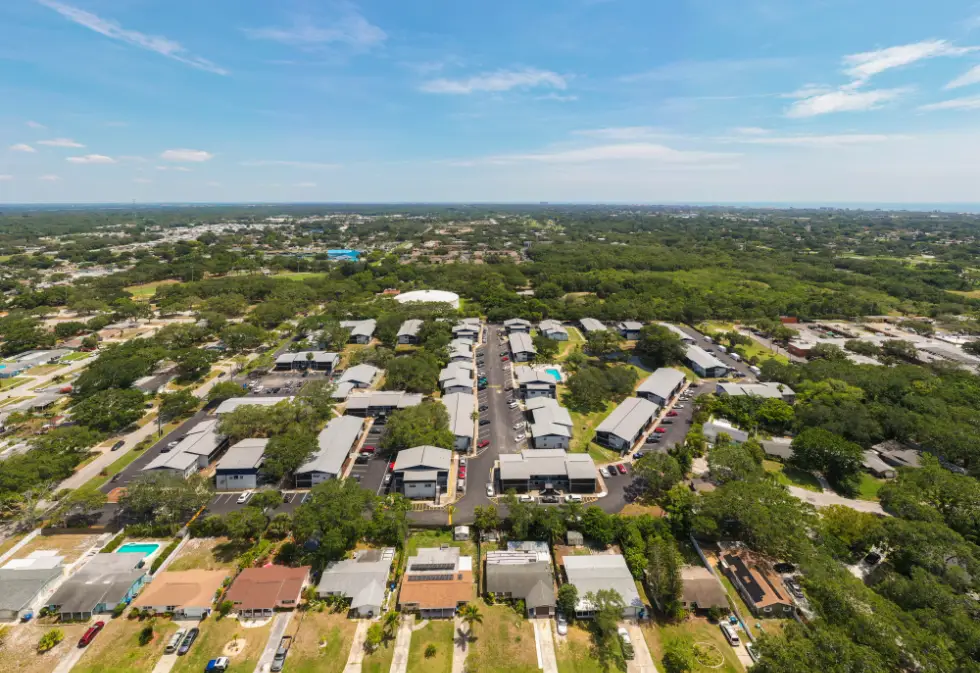
Our 135-apartment community West River Flats in Tampa shows how better leasing and consistent management can work within this market framework. When we acquired it in November 2020, many kitchens had already been updated and the community had a pool. Yet apartments were vacant, and there were substantial rent arrears.
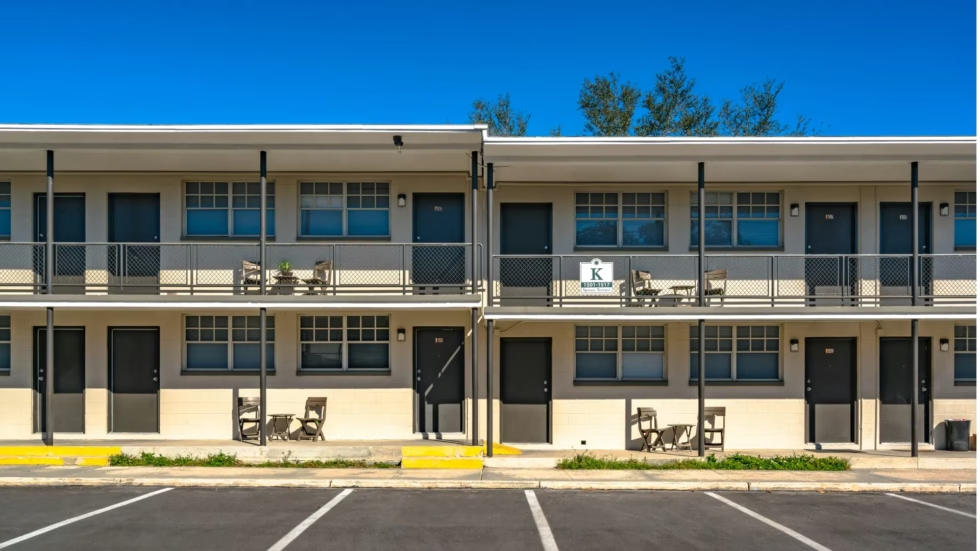
We focused on marketing the available apartments and reorganizing management. Within approximately six months, the community was fully leased. Alongside that work, we upgraded further apartments, improved exterior areas and agreed market-based terms as leases came up for renewal.
From acquisition to sale in January 2023, average monthly rent across the community rose from $1,184 to $1,610 — an increase of 36%. Net operating income (NOI) increased by 73% over that period. (Note: Past performance and statements regarding earnings are no guarantee of future results.)

5. Florida’s risks — and why we work locally
A U.S. apartment building does not run itself. Anyone investing in Florida today needs to keep two main groups of costs under control:
Financing costs: Property financing is generally cheaper in Germany. Published U.S. agency loan pricing currently exceeds German housing loan rates, so higher financing costs can absorb part of the operating advantage from rents.
Insurance, storm exposure and property tax: A low purchase price offers little help if a substantially more expensive insurance policy, a high hurricane deductible or property tax reassessment absorbs the advantage after acquisition. Our article Florida Multifamily After Closing shows how significantly these items can change.

That is why we manage our properties directly from Tampa. When an apartment is vacant, we check in person whether its specification, marketing or the competing property across the road explains why. For roof work in Pinellas County, we negotiate directly with local contractors. We also invest our own capital in the same transactions as our investors: if leasing takes longer or a repair costs more, our own invested money is affected too.
6. A second property market alongside a German portfolio
Apartments in Munich, Hamburg and Berlin spread wealth across different cities, but all remain subject to the same German rental legislation and federal policy decisions. Florida adds a separate legal and economic environment whose housing market develops independently of a German portfolio.
With income and eventual sale proceeds in U.S. dollars, investors whose wealth is predominantly in euros also gain a second currency. Exchange-rate movements can increase or reduce returns measured in euros. An interest in a U.S. apartment property is taxed differently from a German rental building, so German and U.S. tax advisers jointly establish the appropriate structure and treatment of distributions and a sale before investment.
German residential property remains a serious option for investors willing to work within its regulatory framework. We could no longer do so. That is why we are in Tampa.
Speak with Whitestone Capital if you would like to explore how a Florida investment could sit alongside your German property portfolio.